
by Katherine Abissi
“Art has no influence upon action. It annihilates the desire to act. It is superbly sterile. The books the world calls immoral are books that show the world its shame.” –Oscar Wilde
In the classic novel, The Picture of Dorian Gray, Oscar Wilde explores the themes of morality and vanity in a coming-of-age story that sours due to the corruption of the main character. The novel opens with Dorian Gray as a naïve and vain young man who, under the influence of a man called Lord Henry Wotton, is taught to value nothing other than beauty and pleasure. The story serves as a cautionary tale to not be consumed by passion or pleasure. To not, in other words, forsake morality for a quick serotonin hit. Terrified of what will happen when he grows older and loses his looks, he is able to remain looking the same while his portrait ages and decays instead. At the same time, though, he is imprisoned by his beauty.
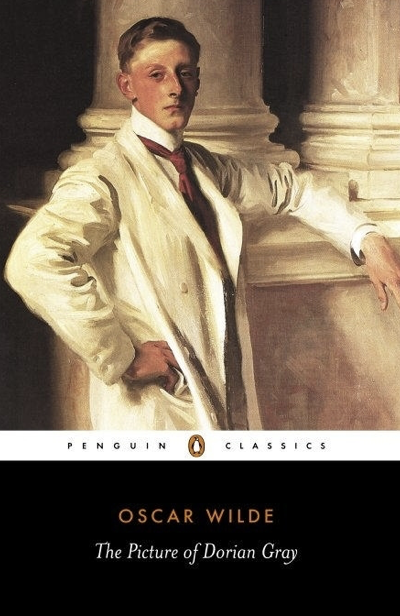
In the censored version, published in 1891, it is not clear why this happens. in adaptations such as the 2009 movie titled Dorian Gray, it is implied that Dorian made a deal with the devil. The lack of a clear explanation makes the reader curious if not simply confused. The ambiguity seems to suggest the underlying message that, under certain influences, anyone could succumb to immorality and horrors as Dorian did. In this way, Dorian can be seen as a mirror of the reader. The novel is a cautionary tale to not nurture immorality and vanity as Dorian does throughout the book. In the end, Wilde delivers poetic justice through his symbolism of having Dorian die by his own hand. Throughout the book Dorian has been wrecking his life and the lives of others through his apathy and cruelty. In a moment of hysteria, Dorian seeks repentance by stabbing his portrait, paralleling the self-sabotaging cycle he has trapped himself in by valuing nothing but vapid pleasure.
Oscar Wilde’s vivid writing style powerfully depicts the self-destruction, immorality, and vapidness of his protagonist. Wilde’s masterful story telling allows his novel, The Picture of Dorian Gray, to transcend time periods. Readers and writers today can learn much from this highly regarded work.
 The Blue Route