
By Laura Polaski
Last week, Widener University welcomed award-winning poet and former creative writing professor Kenneth Pobo back to campus as this semester’s visiting writer. Dr. Pobo met and spoke with students and ended his visit by giving a reading of some of his poetry and flash fiction pieces. Before the reading, I had the opportunity to talk to him about his work and his advice for writers.
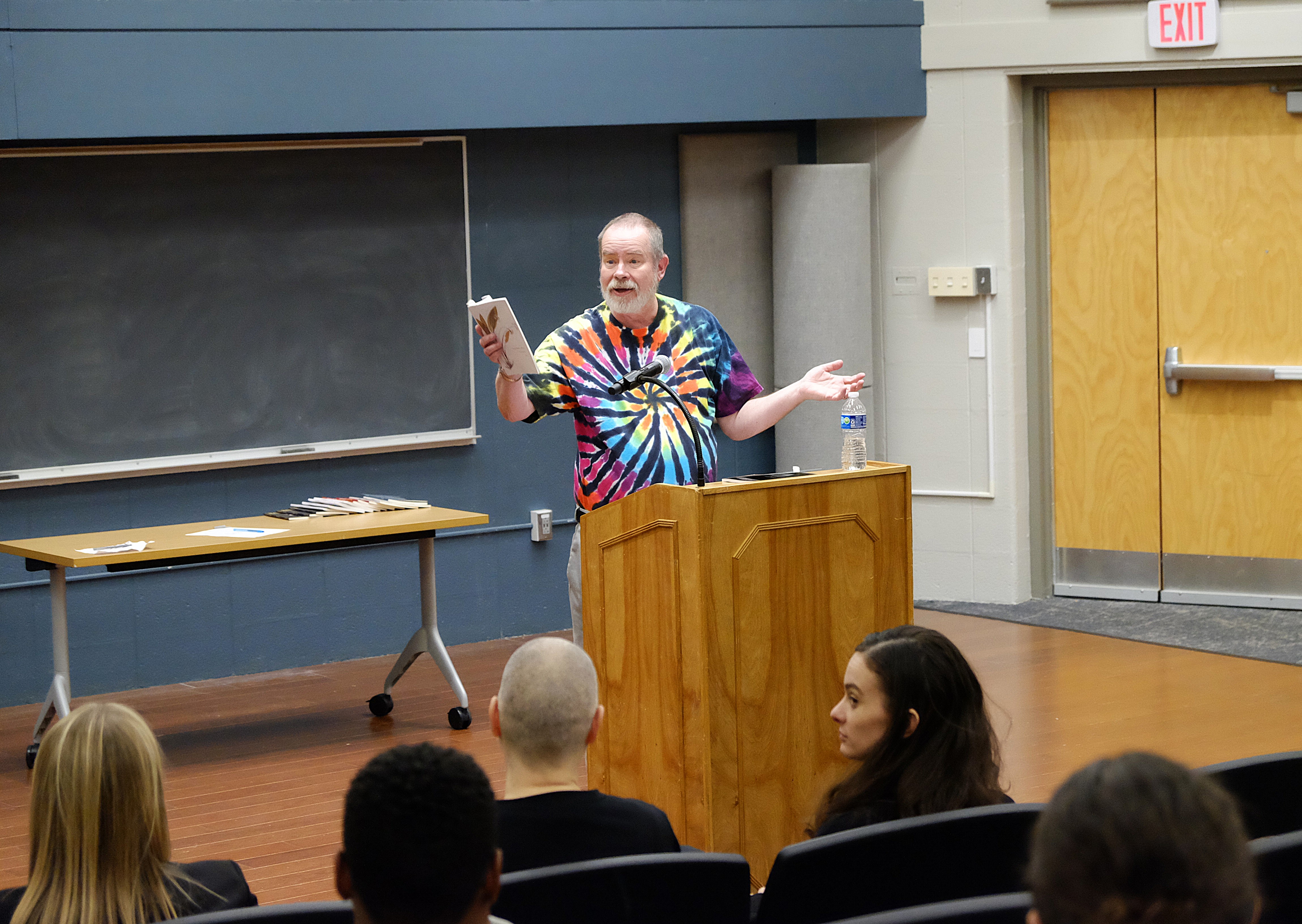
Dr. Pobo primarily writes poetry, which influences all of the work that he does. Even when he is writing flash fiction, he incorporates imagery and figurative language that bring the story to life. Most of his poetry is written in free verse, but he also enjoys writing villanelles, sonnets, ghazals, and triolets. Since each of these styles has a specific structure, he describes the challenge of writing them as a “puzzle.” Dr. Pobo views writing flash as similar to free verse poetry, in the sense that it is another opportunity to work with less structure, without having to consider the impact of line breaks, which allows him to write “a more elastic kind of line.” He also enjoys the immediacy of writing flash, as he has to make something happen quickly with such a limited word count.
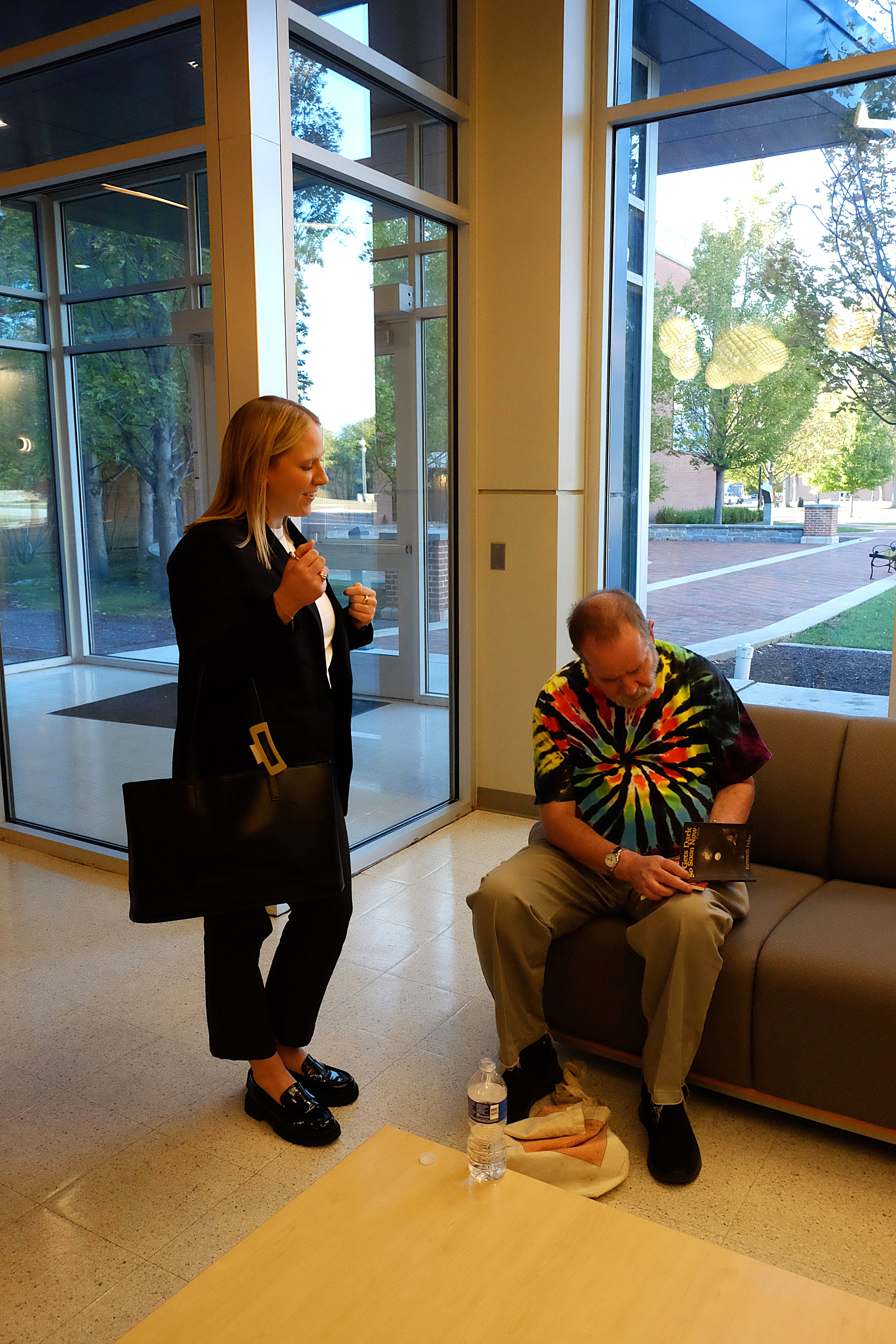
For aspiring writers, Dr. Pobo says that “there’s no substitute for getting your butt in the chair.” If you ever sit down and want to write but nothing is coming, he says to take a break and get out of the chair but always make sure to come back to it later. All it takes, according to Dr. Pobo, is just one line or one piece of dialogue that can help push you forward. He also acknowledges how easy it is for young writers to get discouraged and feel like others can do better work than them, and he admits that he feels it sometimes, as well. To get around this, he recommends thinking about how no one else has the same perspective as you; you can put your own stamp on your work that no one else can. He also advises against worrying too much about the future, because “the future takes care of itself.” All you need to do is write your poem or story. Another thing that he believes will help is building a community by meeting other writers and learning about their challenges. For editing, Dr. Pobo recommends reading your work aloud, because your ears will catch things that your eyes miss after reading over your work so many times, such as using the same word too close together.
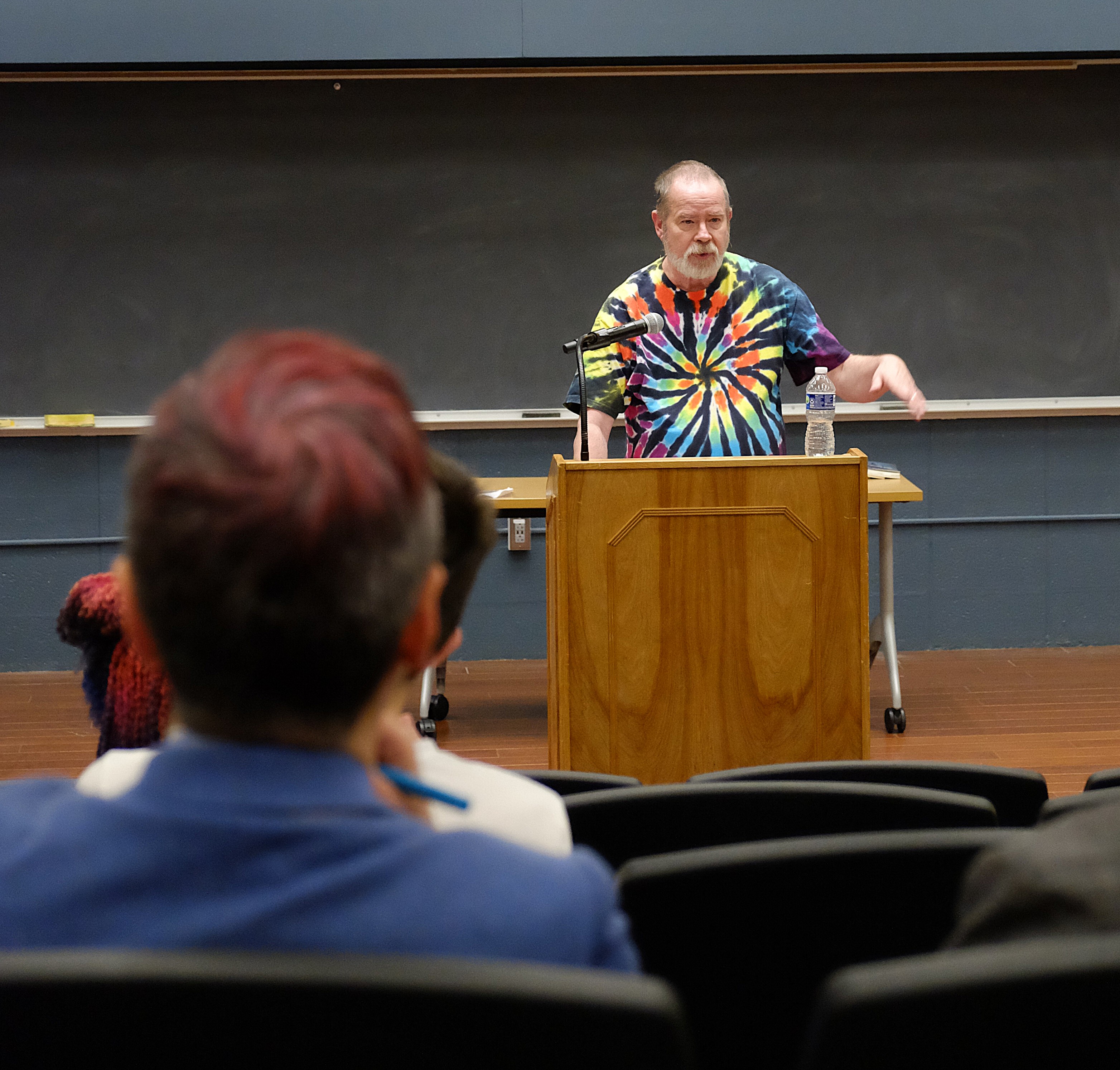

Some of Dr. Pobo’s favorite poets include Tomas Tranströmer, Emily Dickinson, Walt Whitman, and Theodore Roethke, but he also emphasizes the importance of reading contemporary poetry, as well as outside our own culture. He believes that the more you read different perspectives and different styles, the “wider our voice can become.” For him, it is an honor to write poetry to remember all of the voices that came before him and those that have had their voices oppressed, and he believes that it is important for writers to have that sense of honor and humility with their own work.
 The Blue Route